Token Approval Management Is the DeFi Security Habit Most Users Still Underestimate
What if the most dangerous transaction in your wallet is not the one that transfers your tokens, but the one that appears to do almost nothing? In DeFi, a token approval can quietly authorize a contract to spend assets on your behalf later. The approval may cost little, look routine, and disappear into a busy transaction history—yet its security consequences can persist long after the original swap or deposit is complete.
That is why wallet security cannot be reduced to protecting a seed phrase or checking whether a website looks familiar. It also requires managing permissions. For US-based DeFi users installing a browser wallet extension, the important mental shift is simple: a wallet is not only a signing device; it is a permission-management interface. Understanding what an approval grants, who can exercise it, and when it should be revoked is often more valuable than memorizing a list of suspicious-looking websites.
What a Token Approval Actually Authorizes
Most fungible tokens on Ethereum-compatible networks follow a common contract pattern. A user holds tokens in a wallet, while a decentralized application often operates through a separate smart contract. If the application needs to move tokens from the wallet—for example, to execute a swap—the user generally first calls the token contract’s approval function. That function records an allowance: a limit on how many tokens a designated spender may move from the user’s address.
The crucial detail is that approval and transfer are separate events. Signing an approval does not necessarily move tokens immediately. Instead, it creates a future capability. The approved contract may later call a transfer function within the allowance’s scope, subject to the token’s rules and the contract’s own logic. This is why an approval can remain relevant after a user has closed a DeFi tab, forgotten a farming strategy, or stopped using a protocol.
A useful analogy is a recurring authorization rather than a one-time payment. A single transaction may be the visible event, but the permission can outlive it. If the spender contract is compromised, upgraded in an unsafe way, misidentified, or deliberately malicious, an old allowance can become an attack surface. The wallet’s balance may be safe at one moment and exposed later because the permission still exists.
Not every approval is equally risky. A limited allowance to a well-understood contract has a different risk profile from an unlimited allowance to an unfamiliar address. Yet “unlimited” does not mean the contract can automatically steal every asset in the wallet. The permission is normally specific to a particular token and spender. This distinction matters because accurate risk analysis is more useful than dramatic slogans. The real question is not simply whether an approval exists, but what asset, what amount, what spender, and what code path are involved.
Why Approval Management Belongs in Wallet Security
Traditional wallet advice focuses on private-key custody: never reveal the seed phrase, avoid fake support agents, and verify the network before signing. Those controls remain foundational, but they address only one layer of the threat model. Token approvals introduce an authorization layer. A user can keep a seed phrase private and still lose funds if they sign a harmful permission or leave a vulnerable allowance active.
This creates a subtle operational problem. A wallet extension can accurately display a transaction while the user misunderstands its consequence. “Approve token” may sound like a routine prerequisite, but the important information is hidden in the parameters: the token contract, the spender address, and the allowance amount. A technically valid transaction can therefore be economically unsafe. Blockchain settlement confirms that the requested instruction was executed; it does not confirm that the instruction was wise.
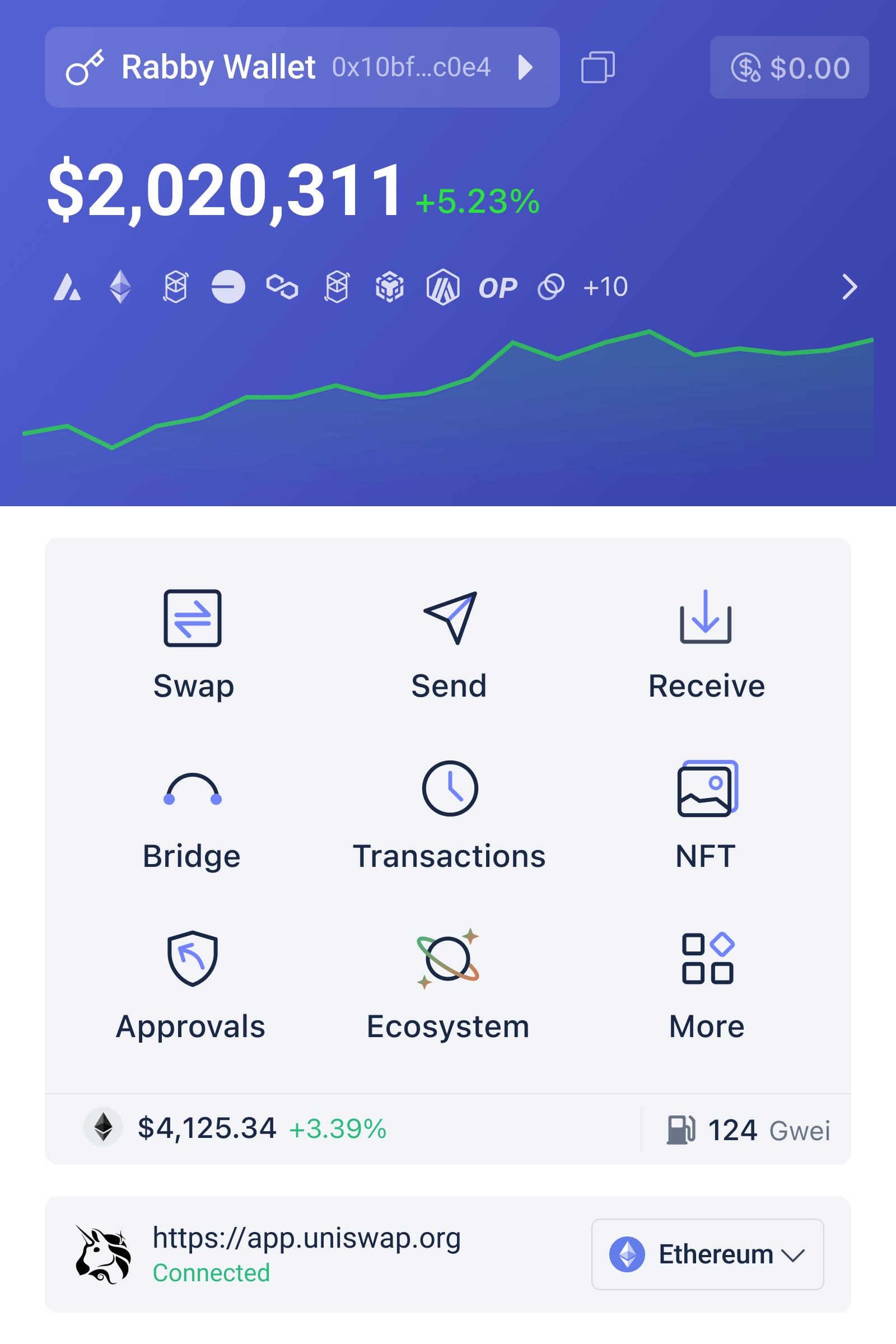
When you download and install the rabby wallet browser extension, treat its transaction review screens as decision-support tools rather than automatic guarantees. A wallet can help surface contract information, warnings, simulations, and approval details, but the user still has to interpret the result. Security interfaces reduce cognitive load; they do not eliminate the need for independent judgment, especially when a website pressures the user to sign quickly.
The strongest workflow separates three questions before signing. First, what action is the application asking for? Second, which contract will gain authority? Third, what is the maximum value that could be affected if that authority were abused? If the answer to any of these questions is unclear, postponing the transaction is rational. DeFi opportunities are often time-sensitive, but irreversible signing deserves a slower standard than ordinary browsing.
Limited Allowances Versus Unlimited Allowances
Users commonly face a choice between approving the exact amount required and approving a much larger amount, sometimes described as an unlimited allowance. Limited approvals reduce the maximum exposure for that token and spender. If the contract is later compromised, the potential loss is constrained by the remaining allowance rather than by the entire token balance.
The trade-off is convenience. A limited allowance may require another approval when the user interacts with the protocol again. Each additional transaction creates another opportunity to inspect the request, but also another transaction fee, delay, and chance of approving the wrong contract. Unlimited allowances can make repeated use smoother, particularly for active traders or liquidity providers, but they preserve a broader standing permission.
There is no universal answer that makes every unlimited approval irresponsible. A user may deliberately accept the added exposure after evaluating a mature protocol, a segregated hot-wallet balance, and the cost of repeated approvals. The important distinction is informed persistence versus accidental persistence. If an allowance is unlimited simply because the interface made that option convenient, the user has accepted a risk without necessarily making a decision.
A practical rule is to match the approval’s scope to the strategy’s scope. For a one-time interaction, a limited allowance is usually easier to justify. For frequent use, consider whether the convenience is worth maintaining the permission, and avoid combining broad approvals with a wallet that holds long-term savings. A dedicated DeFi wallet with a deliberately limited balance can reduce the consequences of mistakes, although it cannot protect against every loss or compensate for a compromised device.
Revocation Helps, but It Is Not a Time Machine
Approval-revocation tools and wallet interfaces can help users identify and remove allowances. Revoking normally requires an on-chain transaction, which means paying network fees and selecting the correct chain. The process is not a universal “undo” button. If a malicious contract has already transferred tokens, revoking the allowance cannot reverse that transfer. If a user revokes on one network while an exposure remains on another, the risk may also persist elsewhere.
Revocation has a second limitation: the user must correctly identify the relevant spender. Some protocols use multiple contracts for routers, vaults, aggregators, or token-handling components. Removing one allowance may not remove every permission associated with a broader workflow. Conversely, revoking a permission that appears unfamiliar may disrupt a strategy the user still intends to use. The task is therefore closer to access review than to routine cleanup.
For that reason, approval management works best as a recurring control. Review permissions after leaving a protocol, before moving valuable assets into a wallet, and whenever a contract has experienced a security incident or major upgrade. The exact review schedule depends on activity level and the value at risk. A person making one small swap a month faces a different monitoring burden from a user interacting daily with bridges, lending markets, and liquidity pools.
The Browser Extension Is Part of the Attack Surface
Installing a wallet extension introduces its own risks. The browser is a powerful environment with many extensions, tabs, cached sessions, and phishing opportunities. A counterfeit download page, a tampered installation package, or a fake customer-support message can target the user before a blockchain transaction is even prepared. The safest starting point is an official distribution path, careful domain verification, and a deliberate installation process rather than a rushed click from an advertisement or unsolicited message.
After installation, users should verify that the extension is the expected wallet, protect the local device, and avoid entering a recovery phrase into a website. A legitimate decentralized application may request a wallet connection, but connection alone is not the same as authorization to spend tokens. The boundary between connecting, signing a message, approving an allowance, and submitting a transfer should remain clear.
Transaction simulation and contract warnings can be valuable, but they have boundaries. Simulations depend on the assumed state of the blockchain and the behavior visible to the simulation system. They may not capture every later state change, off-chain dependency, compromised front end, or economic manipulation. A warning-free result should therefore be interpreted as “no identified issue under these conditions,” not as a guarantee of safety.
A Reusable Approval-Review Framework
Before signing, apply a four-part check: asset, spender, amount, and purpose. Confirm that the token is the one you intended to use. Check the contract address or recognizable contract identity rather than relying only on a website’s branding. Review whether the allowance is limited or broad. Finally, explain in plain language why this contract needs the permission and whether that explanation matches the action you initiated.
Then consider separation. High-value long-term holdings should not automatically sit in the same wallet used for experimental protocols, newly launched applications, or frequent browser interactions. Hardware wallets, multisignature arrangements, and separate accounts can reduce certain risks, but each adds operational complexity. A security measure that users cannot operate correctly may create new failure modes, including lost access, incorrect network selection, or misplaced recovery information.
Keep records of unusual approvals and the protocols that depend on them. This can be as simple as a private note identifying the chain, token, spender, and intended use. Documentation is not glamorous, but it addresses a common human problem: permissions become invisible when a user no longer remembers why they granted them. In security terms, forgotten authorization is unmanaged authorization.
There is no recent project-specific news supplied here that would justify a claim about a newly introduced extension feature or a current Rabby development. That absence is itself a useful boundary: wallet security guidance should be based on stable mechanisms and verified product behavior, not on assumed updates. Users should inspect the current extension interface and official release information before relying on any particular warning, simulation, or approval-management function.
What to Watch as DeFi Interfaces Mature
The likely direction of wallet design is toward more contextual signing: clearer spender identities, transaction simulations, human-readable intent, and alerts for unusual permissions. If those systems become more accurate and easier to understand, they could reduce routine mistakes. The conditional point is important, however. Better interface signals improve risk detection only when users can distinguish a meaningful warning from a harmless technical irregularity and when the underlying data reflects the contract’s real behavior.
For advanced users, the unresolved issue is not merely display quality but authorization architecture. DeFi protocols continue to experiment with different token standards, permit-style signatures, account abstraction, and automated execution. These mechanisms may reduce friction, but they can also move authorization away from the familiar approval transaction. A simpler interface may conceal a more complex permission model. The security question will remain the same: what authority has been granted, to whom, for which asset, under what conditions, and for how long?
Frequently Asked Questions
Is a token approval the same as sending tokens?
No. An approval generally records permission for a specified spender contract to move a specified token up to a specified allowance. A later transfer may use that permission. However, because the approval creates a future capability, it should be treated as a security-relevant action rather than as harmless preparation.
Should I revoke every token approval after using DeFi?
Not necessarily. Revocation can reduce exposure, but it costs an on-chain transaction and may interfere with legitimate strategies. Review the token, spender, remaining allowance, protocol purpose, and value at risk. Revocation is most useful when a permission is no longer needed, unusually broad, associated with an unfamiliar contract, or connected to a protocol whose security status has changed.
Can a wallet extension guarantee that an approval is safe?
No. A wallet can improve visibility and identify some suspicious patterns, but it cannot guarantee the future behavior of smart contracts or protect against every compromised website, device, or signing decision. The user remains responsible for confirming the intended asset, spender, amount, and purpose before authorization.
The most useful way to think about token approvals is as a living inventory of delegated power. Your private key determines who can sign, but approvals determine which contracts may act on assets after you sign. Once that distinction becomes habitual, installing a wallet extension is no longer the endpoint of security preparation. It is the beginning of a permission-review practice—one that makes DeFi participation more deliberate without pretending that any interface can remove uncertainty from an adversarial financial system.